
Storm Damaged Tree: What to Do First
Step-by-step guidance for dealing with fallen trees and storm damage safely. What to do immediately, what can wait, and when to call for help.
⚠️ Important Disclaimer: This guide is for educational purposes only and is not professional advice. Always consult with licensed, insured tree care professionals before attempting any tree work. Tree work is inherently dangerous. See our full disclaimer for details.
A major storm has passed and you've got tree damage. Maybe a tree fell, branches are down, or something is hanging precariously. The aftermath can be overwhelming—especially when everyone in the area is dealing with the same problems.
This guide walks you through priorities: what to do immediately, what can wait, and how to navigate getting help when tree services are overwhelmed.
Immediate Safety (First 30 Minutes)
Stay Away from Downed Power Lines
This is the most important rule. If a tree or branch has taken down power lines, or is touching lines, stay far away—at least 35 feet. Assume all downed lines are live. Don't touch the tree, the line, or anything in contact with either.
Don't Go Under Damaged Trees
Storm-damaged trees often have "hangers"—broken branches caught in the canopy that haven't fallen yet. These can come down without warning. Stay out from under any damaged tree until it's been assessed and cleared.
Check for Structural Damage to Your Home
If a tree or large branch has struck your house:
- Don't enter the building if you see structural damage to walls or the roof
- Turn off electricity at the main breaker if safe to access
- Turn off gas if you smell it
- Document damage with photos before any cleanup
- Call your insurance company—most require prompt notification
Assessing the Damage (First Few Hours)
Once immediate safety is addressed, survey your property. Categorize damage into:
Emergency (Needs Immediate Professional Help)
- Trees or branches on structures
- Trees blocking emergency access or egress
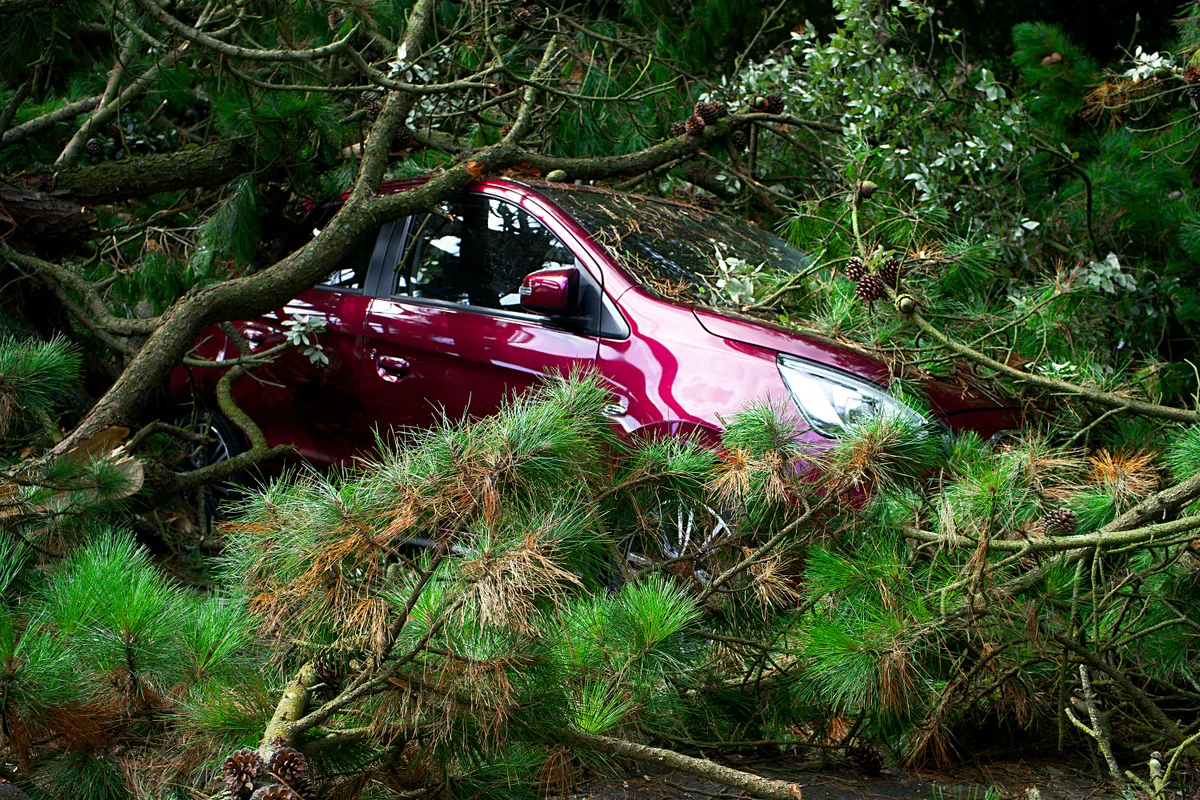
- Trees on vehicles with people inside
- Trees on or near power lines
- Partially fallen trees that could come down further
Urgent (Should Be Addressed Soon)
- Hanging branches that could fall
- Trees leaning significantly more than before
- Blocked driveways
- Trees threatening to fall on structures
Can Wait
- Downed branches on the lawn
- Trees down in areas away from structures
- Cosmetic damage to trees that aren't hazardous
What You Can Do Yourself
Some cleanup is safe for homeowners. Consider handling it yourself if:
- Branches are small (under 4 inches diameter)
- They're on the ground, not hung up in trees
- No power lines are anywhere near
- No climbing or chainsaw work on standing trees is needed
- You have appropriate tools and ability
Getting Professional Help After a Storm
Expect Delays
After a significant storm, every tree service in the area is overwhelmed. Wait times of days or even weeks for non-emergency work are common. Emergency calls—structures, power lines—get prioritized.
Avoid Storm Chasers
Out-of-town crews appear after every major storm, knocking on doors. While some are legitimate contractors helping with overflow, many are uninsured, inexperienced, and looking to take advantage of desperate homeowners.
Red flags for storm chasers:
- Door-to-door solicitation (reputable companies don't need to do this)
- Can't provide local references or a physical address
- Demand cash payment upfront
- Won't show proof of insurance
- Pressure you to decide immediately
Use Established Local Companies
Even if the wait is longer, using established local companies means:
- They're properly insured
- They'll be around if problems arise
- They know local conditions and regulations
- Their reputation depends on doing good work
Document Everything for Insurance
Before cleanup starts:
- Take extensive photos and video
- Document the location and extent of damage
- If trees hit structures, photograph the connection
- Keep receipts for any emergency work
- Get written estimates before authorizing work
Working with Insurance
Homeowner's insurance typically covers:
- Damage to structures caused by fallen trees
- Removal of trees that have hit insured structures (house, garage, fence)
- Debris blocking driveways (sometimes, with limits)
Insurance typically does NOT cover:
- Removing trees that fell but didn't hit anything
- Trees in yards that aren't threatening structures
- Preventive removal of damaged trees that haven't fallen
Check your specific policy—coverage varies. Many policies have sub-limits for tree removal (often $500-1,000 per tree, capped at a total amount).
After the Immediate Crisis
Once emergency work is done:
- Have remaining trees assessed. Storm damage isn't always obvious. Trees may have hidden damage that makes them hazardous.
- Address hanging branches. "Hangers" that didn't fall during the storm will fall eventually, often unexpectedly.
- Don't make permanent decisions immediately. A tree that looks terrible right after a storm may recover better than expected. Get a professional opinion before removal.
- Plan for the future. Consider whether tree placement and species contributed to the damage, especially if replanting.
The Bottom Line
Storm damage is stressful, but don't let urgency push you into unsafe decisions or bad contracts. Prioritize actual safety hazards, document everything, and use qualified professionals even if it means waiting a bit longer.
Most storm damage—however dramatic it looks—is not truly an emergency once power lines and structural impacts are addressed. Take a breath, make a plan, and proceed carefully.
Find Local Tree Services
Ready to get quotes from qualified professionals in your area?
Serving Allentown, Bethlehem, Easton, Whitehall, and surrounding Lehigh Valley areas.
Get Our Free Tree Care Checklist
Download our homeowner's guide to tree maintenance, warning signs, and when to call a professional.
We respect your privacy. Unsubscribe anytime.